


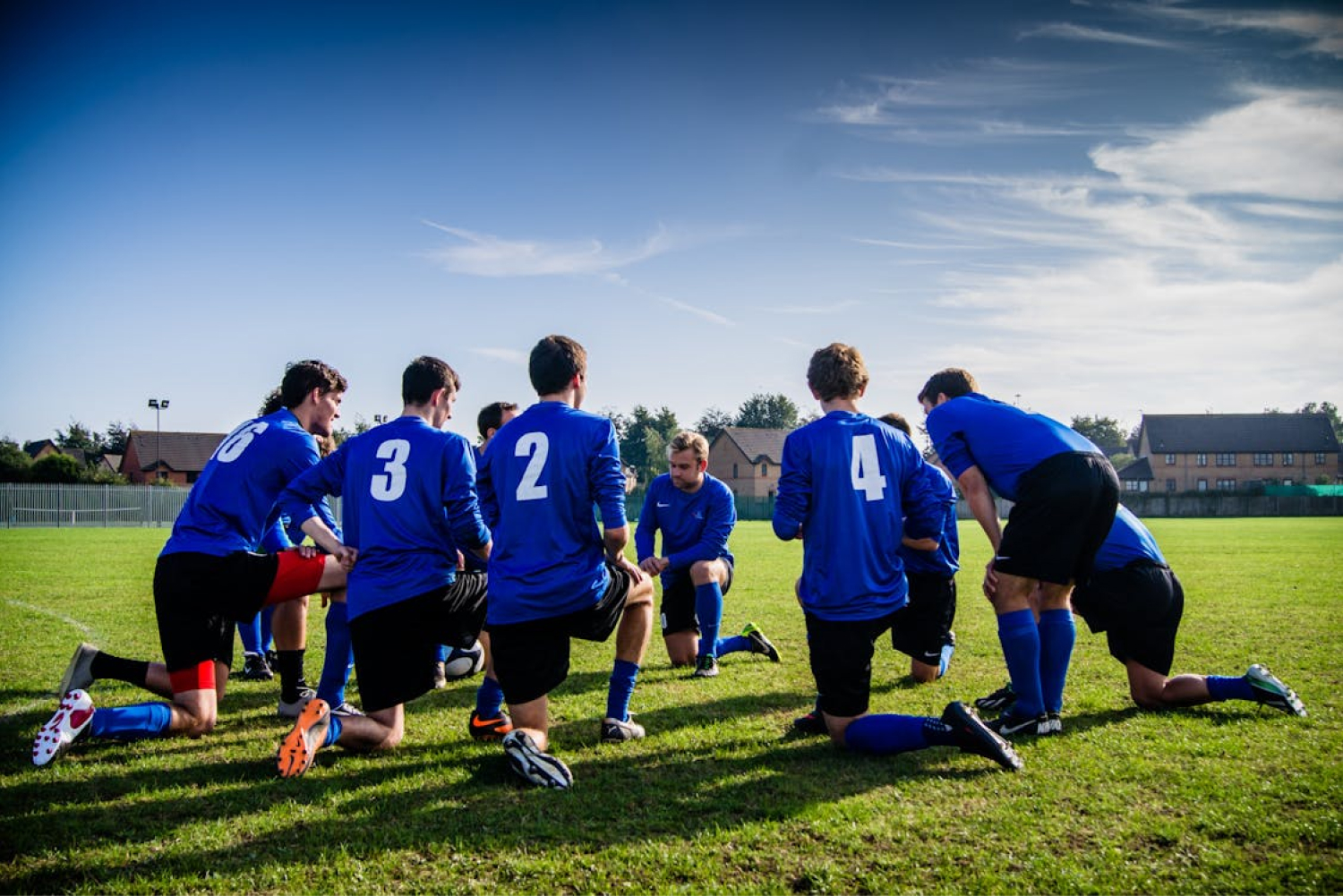






Football is the world’s most popular sport, and for millions of children, kicking a ball around is where a lifelong passion begins. Whether your child dreams of playing professionally or simply enjoys the game with friends, your support plays a huge role in how quickly and confidently they develop. This guide covers everything parents need to know about helping a child develop their football skills — from basic drills at home to building the right mindset.
Why Early Football Development Matters
Children between the ages of 5 and 12 are in what coaches call the “golden age of learning.” During this period, kids absorb motor skills faster than at any other stage of life. Ball control, balance, coordination, and spatial awareness developed early become the foundation for advanced skills later. Beyond technique, football teaches teamwork, discipline, resilience, and communication — life skills that benefit children on and off the pitch.
1. Start with the Fundamentals
Before worrying about tactics or positions, help your child master the basics:
Ball control and first touch. Encourage your child to spend time simply touching the ball — rolling it under the sole, tapping it between both feet, and trapping gentle passes. A good first touch is the single most valuable skill in football.
Dribbling. Set up simple cone courses in the backyard or a nearby field. Ask your child to dribble through them slowly at first, focusing on keeping the ball close, then gradually increase speed.
Passing. Practice short passes against a wall or with a partner. Teach them to use the inside of the foot for accuracy and to look up before passing.
Shooting. Let them strike the ball freely at a goal or target. Accuracy first, power later.
2. Make Practice Fun, Not a Chore
Children improve fastest when they enjoy what they’re doing. Turn drills into games: award points for hitting targets, time their cone runs, or play one-on-one matches in the garden. Avoid over-structuring every session — free play with friends is one of the most powerful development tools. Many of the world’s best players credit street football for their creativity and quick decision-making.
3. Encourage Daily Touches on the Ball
Consistency beats intensity. Ten to fifteen minutes of daily ball work builds more skill than one long weekly session. Simple habits include:
- 100 toe taps and 100 side-to-side rolls each day
- Juggling practice (start with one bounce between touches)
- Wall passes with both feet
- Dribbling around household objects
Encourage your child to use their weaker foot regularly — two-footed players stand out at every level.
4. Enroll Them in a Structured Academy or Club
Home practice is valuable, but structured coaching accelerates development. A good youth football academy offers age-appropriate training, qualified coaches, regular match experience, and the chance to learn positioning and teamwork. When choosing a club, look for coaches who prioritize enjoyment and skill development over winning at all costs, small group sizes with plenty of touches per player, and a safe, positive environment.
5. Watch Football Together
Watching matches is a learning tool. Sit with your child and talk about what players do off the ball — how they move into space, when they pass versus dribble, and how defenders position themselves. Highlight players in your child’s position and discuss their decisions. This builds game intelligence, something drills alone can’t teach.
6. Focus on Fitness, Nutrition, and Rest
Skill development depends on a healthy body:
Nutrition. Provide balanced meals with carbohydrates for energy, protein for muscle recovery, and plenty of fruits and vegetables. Keep them hydrated, especially in hot weather.
Sleep. Growing athletes need 9–11 hours of sleep per night. Recovery is when the body adapts and improves.
Balanced activity. Encourage other sports and free play too. Multi-sport children develop better overall athleticism and suffer fewer overuse injuries.
7. Build Confidence and the Right Mindset
Your words matter more than you think. After matches, avoid instant critiques in the car. Instead, ask, “Did you have fun?” and praise effort rather than results: “I loved how hard you chased that ball” builds more resilience than “You should have scored.” Teach your child that mistakes are part of learning — every great player has missed chances and lost matches. A child who isn’t afraid to fail will try new skills and improve faster.
8. Set Realistic Goals and Track Progress
Work with your child to set small, achievable goals: juggling 10 times in a row, using the weak foot five times per match, or completing a cone drill faster each week. Celebrate milestones. Progress they can see keeps motivation high.
9. Be a Supportive Parent, Not a Second Coach
Let the coaches coach. Your role on the sideline is encouragement, not instruction. Shouting commands during matches confuses children and adds pressure. The most helpful thing you can say after any game — win or lose — is: “I love watching you play.”
Common Mistakes Parents Should Avoid
- Pushing too hard and causing burnout
- Comparing your child to teammates or siblings
- Focusing only on winning instead of development
- Skipping rest days and risking injury
- Criticizing referees or coaches in front of your child
Frequently Asked Questions (FAQ)
At what age should my child start playing football? Most children can start with fun, unstructured play from age 3–4 and join organized training around age 5–6. There’s no “too late” — many players start at 10 or older and thrive.
How many days a week should a child train? For ages 6–9, two to three sessions a week plus free play is plenty. Older children (10+) can train three to four times weekly, with at least one full rest day.
Should my child specialize in one position early? No. Let children experience multiple positions until at least age 12. It builds a complete understanding of the game.
How can I help if I’ve never played football myself? You don’t need to be a player. Provide a ball, space, encouragement, and transport to training — and be their biggest supporter.
Final Thoughts
Helping your child develop their football skills isn’t about creating the next superstar — it’s about nurturing a love for the game, healthy habits, and confidence that lasts a lifetime. Combine daily ball touches, fun practice, quality coaching, good nutrition, and positive support, and you’ll give your child everything they need to grow as a footballer and as a person.
Start small, stay consistent, and most importantly — let them enjoy the beautiful game.